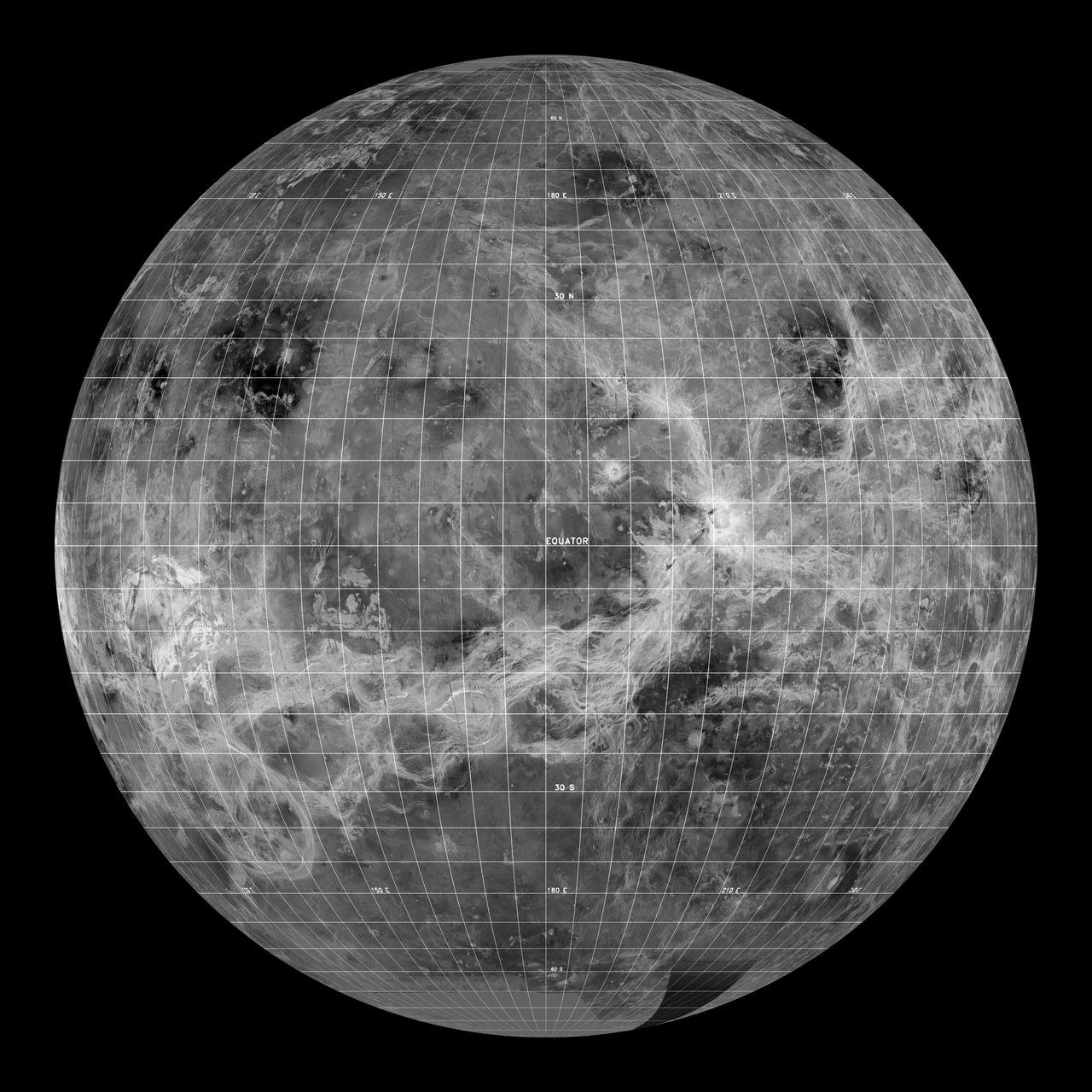
Venus
Evening Star
Earth’s twin
VIII · Aphrodite
Told · names of desire
How did one wandering light accumulate so many names of desire?
This room is not six versions of the same goddess.
Inana was one office of power, sex, lament, and return. This room asks how this particular wanderer gathered names of desire, and what else was put here: war, omen, metal, a teacher, a fall.
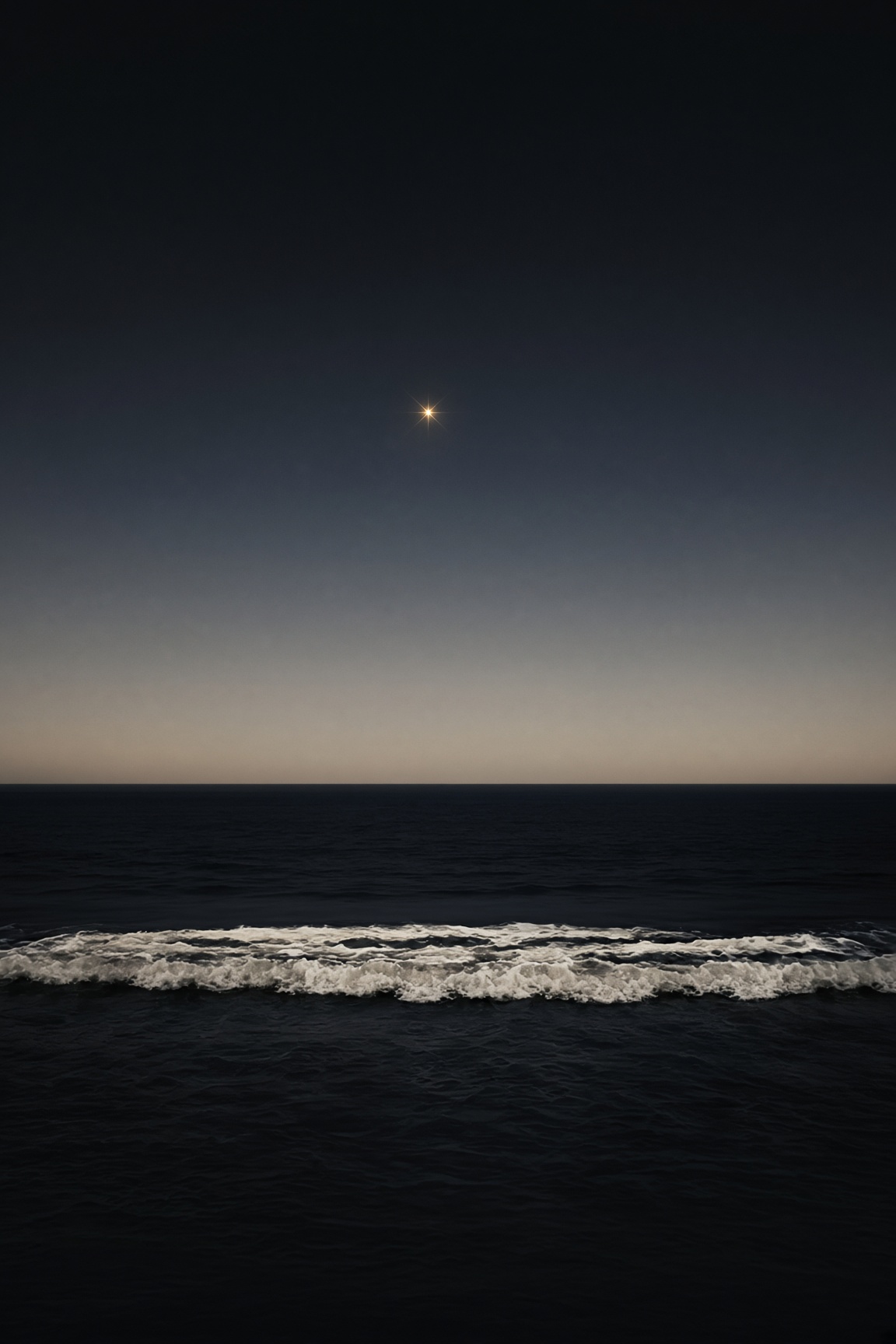
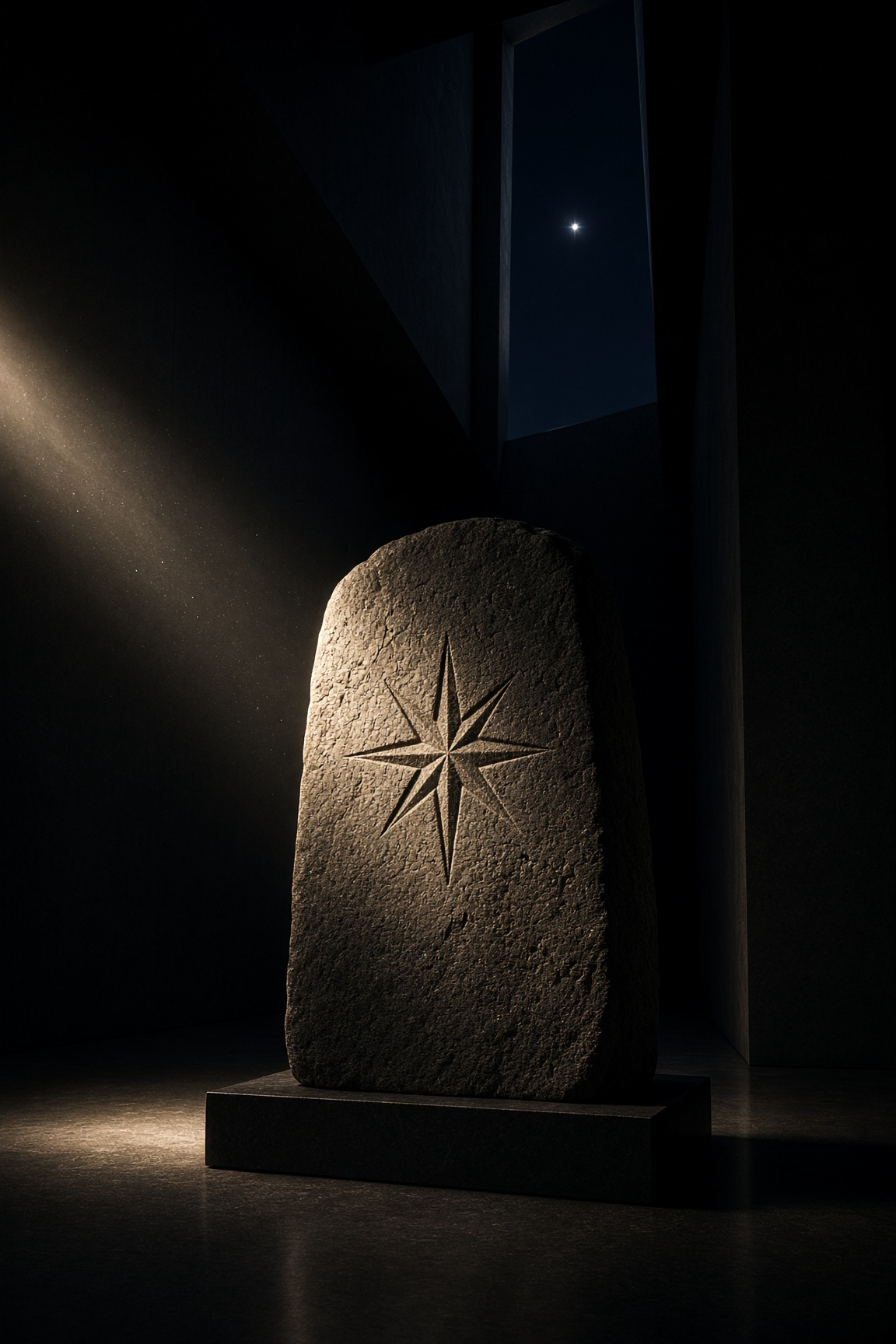
Interpretation. A star on stone, and a star in the sky. Not a recovered kudurru.
Sumer
Inanna
Sovereignty, sex, lament, the me, descent
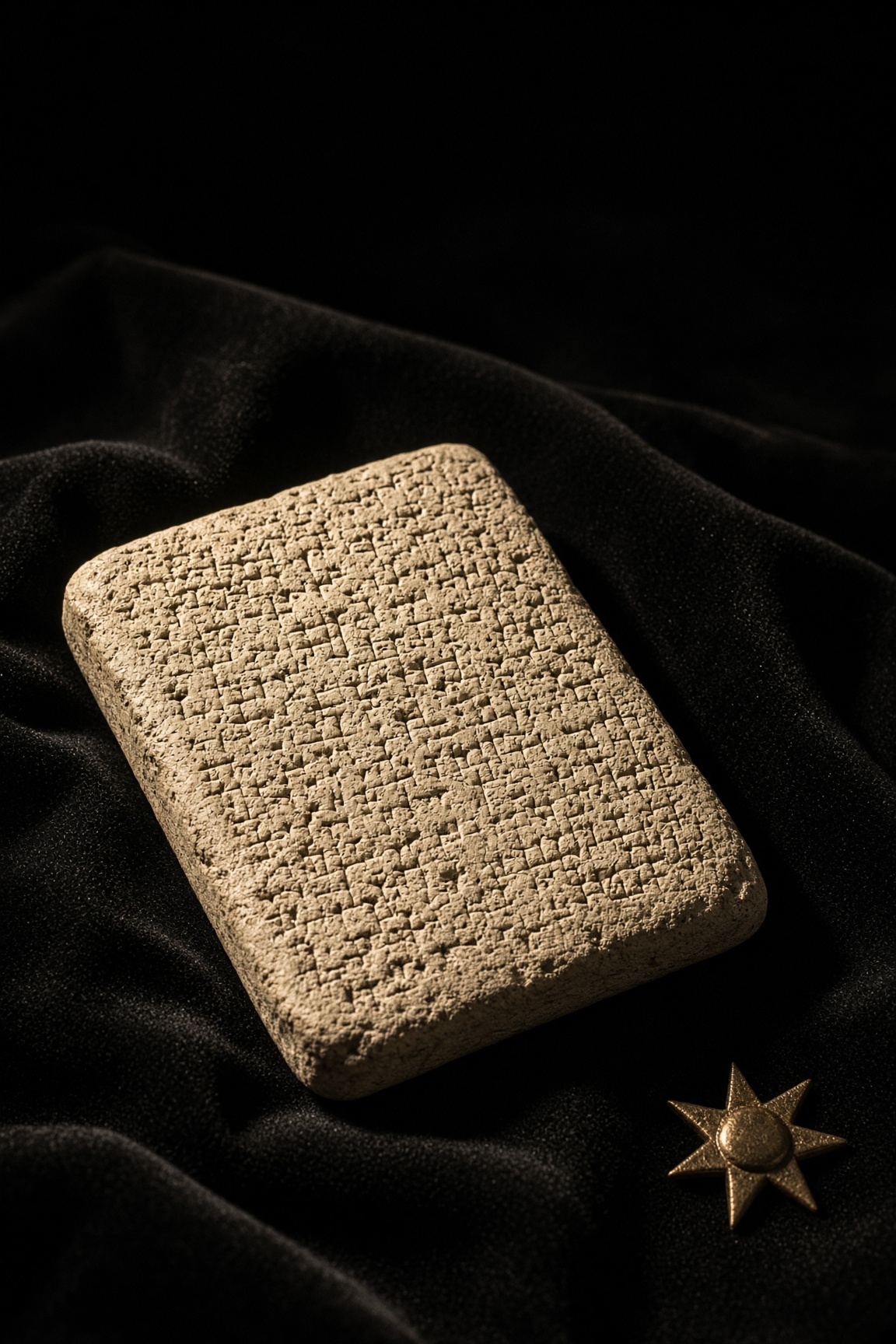
Interpretation. A record of looking. Not the Venus Tablet of Ammisaduqa.
Akkad / Babylon
Ishtar
Love and war. Continuity with Inana is real and partial.
Interpretation. A star on stone, and a star in the sky. Not a recovered kudurru.
Levant
Ashtart
Sex, war, city cult. Greek ears later heard Aphrodite Ourania. Reception, not a costume-change
Interpretation. Desire as weather on the water. Not a painting of a goddess.
Greece
Aphrodite
Beauty, desire, generation, danger. Near Eastern relations are scholarly, not identity
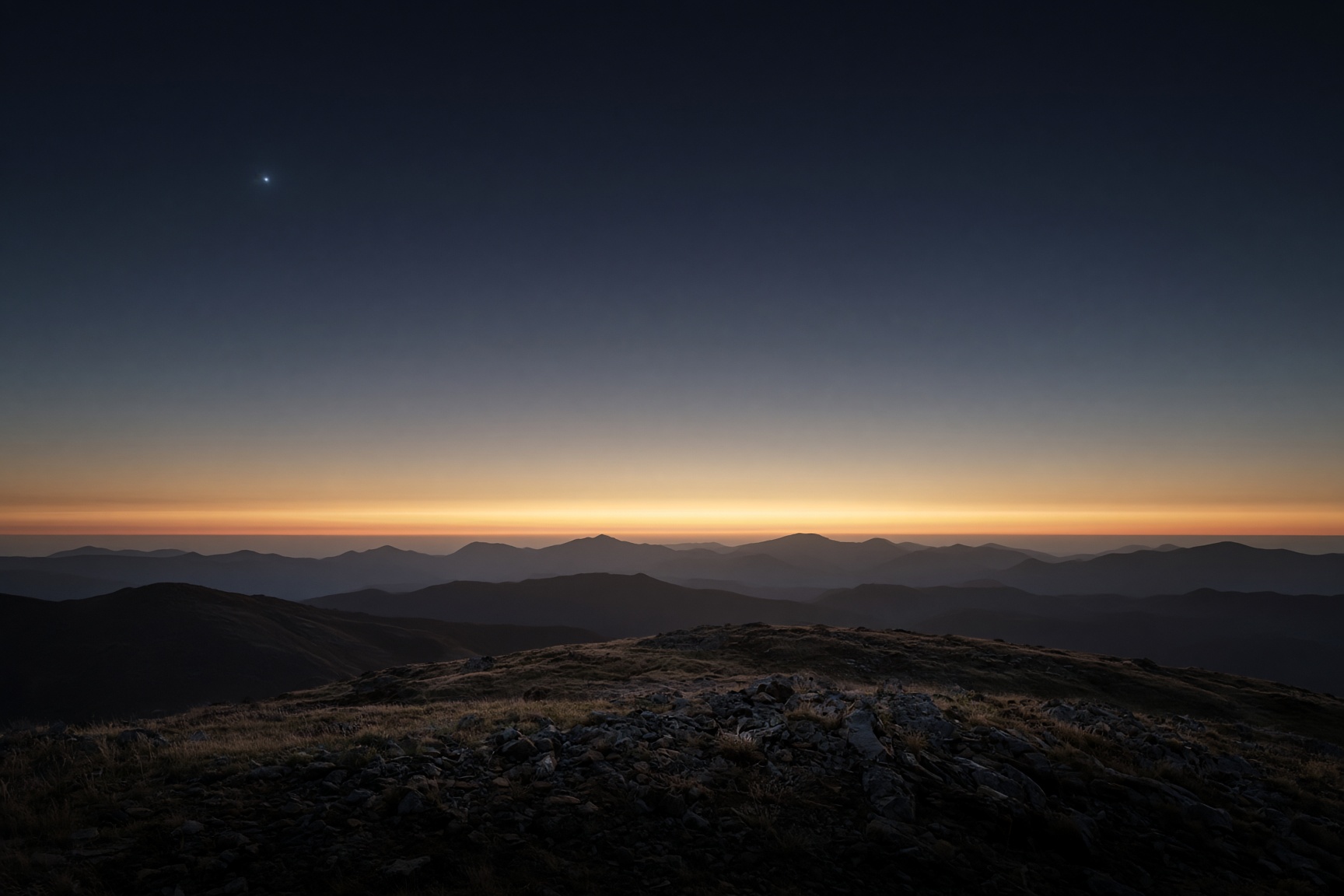
Interpretation. The light-bringer as dawn. Not a devil, and not a telescope frame.
Rome, then Europe
Venus
Ancestry, victory, Lucretian generation, later narrowed to romance and prettiness
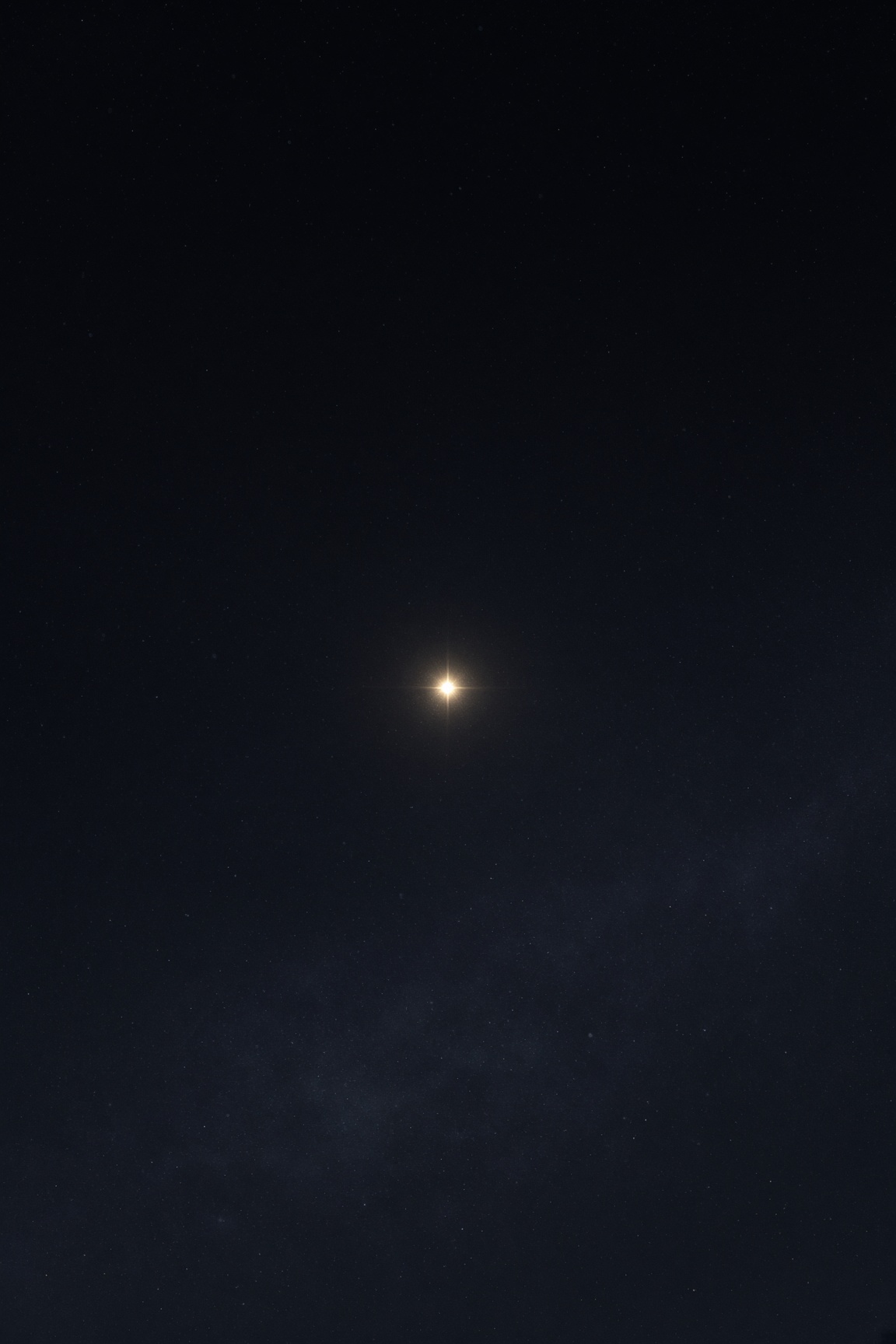
Interpretation. Brightness as a teacher. Not a chart, and not a goddess.
IAU / this sky
The planet
A rocky world that kept the Latin name. The name is a human office. The world is not.
Interpretation. A star on stone, and a star in the sky. Not a recovered kudurru. Ur. Akkadian empire. Sumerian hymns, later copied
Enheduanna’s Inanna
A royal daughter served as en-priestess of the moon god Nanna at Ur in the twenty-third century BCE. Hymns in Sumerian associated with her name survive mainly in later copies. They do not make Inanna pretty. They make her sovereign. Desire, lament, the me, the power to ruin a city and to restore it. This is not the later European valentine.
Told. Particular corpus. Not a caption for the radar map.
Interpretation. The light-bringer as dawn. Not a devil, and not a telescope frame. Archaic Greece. Hymn 5, often dated seventh to sixth century BCE
Homeric Hymn to Aphrodite
In this hymn she can bend even the mind of Zeus toward mortal desire. Anchises on Ida. Aeneas as consequence. The sea-foam birth is another Greek telling, Hesiod’s Theogony and a shorter hymn, not this one. Beauty here is not safety. It is a force that unmakes rank.
Told. Aphrodite is not the planet. The planet later keeps a name from her Roman sister.
Interpretation. Desire as weather on the water. Not a painting of a goddess. Rome. Late Republic, first century BCE
Lucretius, De rerum natura I
He opens the nature of things with Venus as the generative climate of the world, not a private couple. Without her, nothing comes into the shores of light. This is cosmology wearing a goddess’s name.
Told as philosophy. Not a measurement of 464 °C.
Interpretation. Brightness as a teacher. Not a chart, and not a goddess. India. Sanskrit epic, Purāṇic, and Jyotisha traditions
Śukra
Clear. Bright. A sage who teaches the asuras, a graha among nine. Generation and wealth sit with him. The wanderer is not required to be a woman of Love for brightness to be named.
Told. Independent office. Do not fold into Aphrodite.
Offices put upon the light
Desire
Aphrodite, Roman Venus, later Europe
War
Inanna, Ishtar, Maya morning-star imagery in the Dresden tables
Omen
Enūma Anu Enlil 63
Metal
Tàibái, the gold star
Teacher
Śukra, guru of the asuras
Fall
Helel ben Shachar, later Lucifer overlay
Danger at dawn
Tlahuizcalpantecuhtli
Map
IAU: almost every name on the ground is a goddess
What survived
A weekday
dies Veneris. Friday, vendredi, viernes, venerdì. The name outlived the temple.
What survived
The planet’s name
English still says Venus. Latin kept the office on the sky after the city cults receded.
What survived
An image
A lamp too bright for a star, west after sunset or east before dawn. That is still what most people meet.
A modern reader still recognizes the lamp. Love is what later Europe put on it.
IAU gazetteer
Geography first. Naming second.
A gazetteer, not the old cult continuing in stone.
The stories stay in language. The rock was named much later, by a modern committee. Magellan mapped highlands. The IAU then wrote goddesses on them.
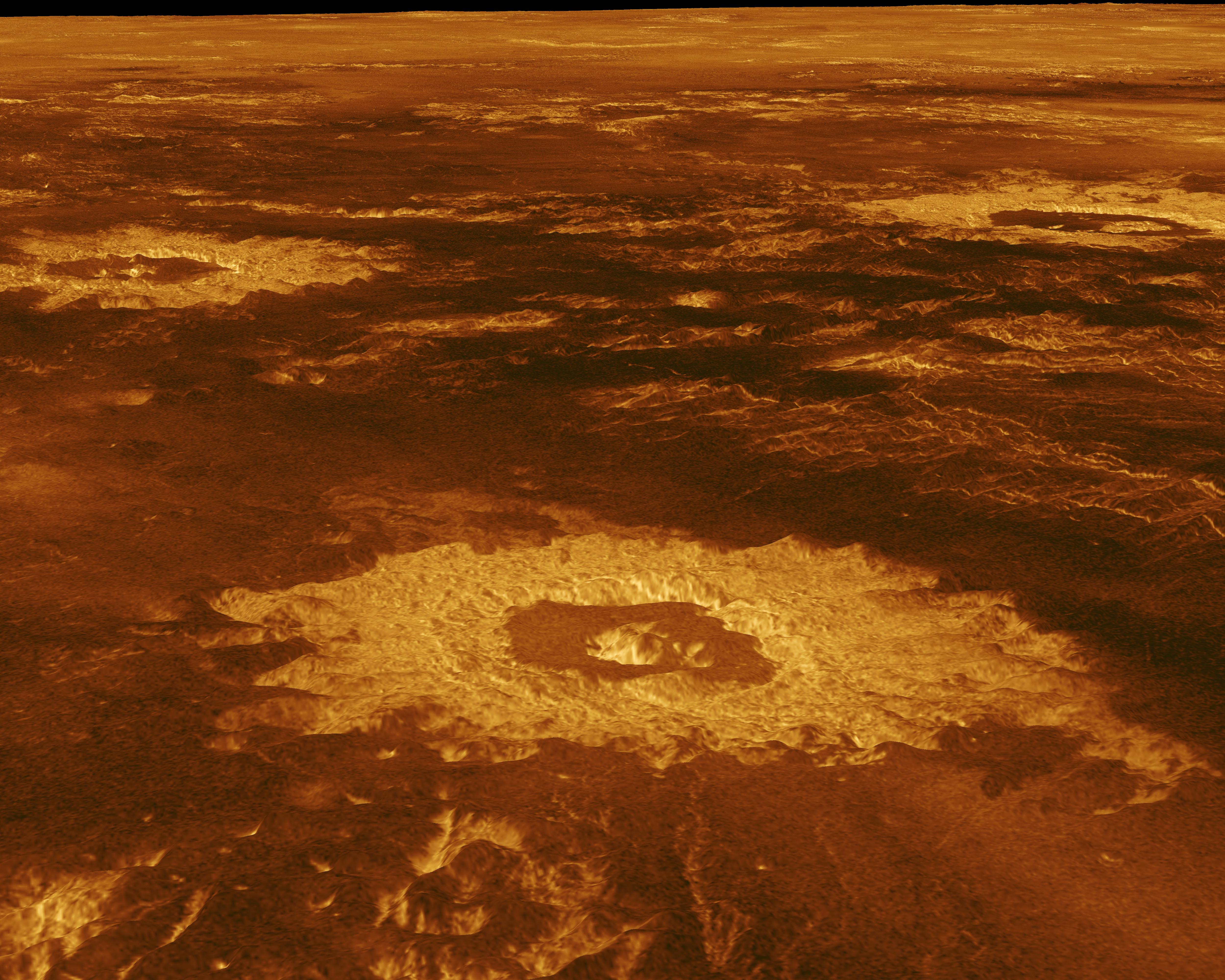
Evidence · Magellan / NASA / JPL. Reconstruction, not a photograph.
Highland
Aphrodite Terra
Largest equatorial highland. Ovda and Thetis. Tessera that may remember older crust. Name: goddesses of love. Terrain first.
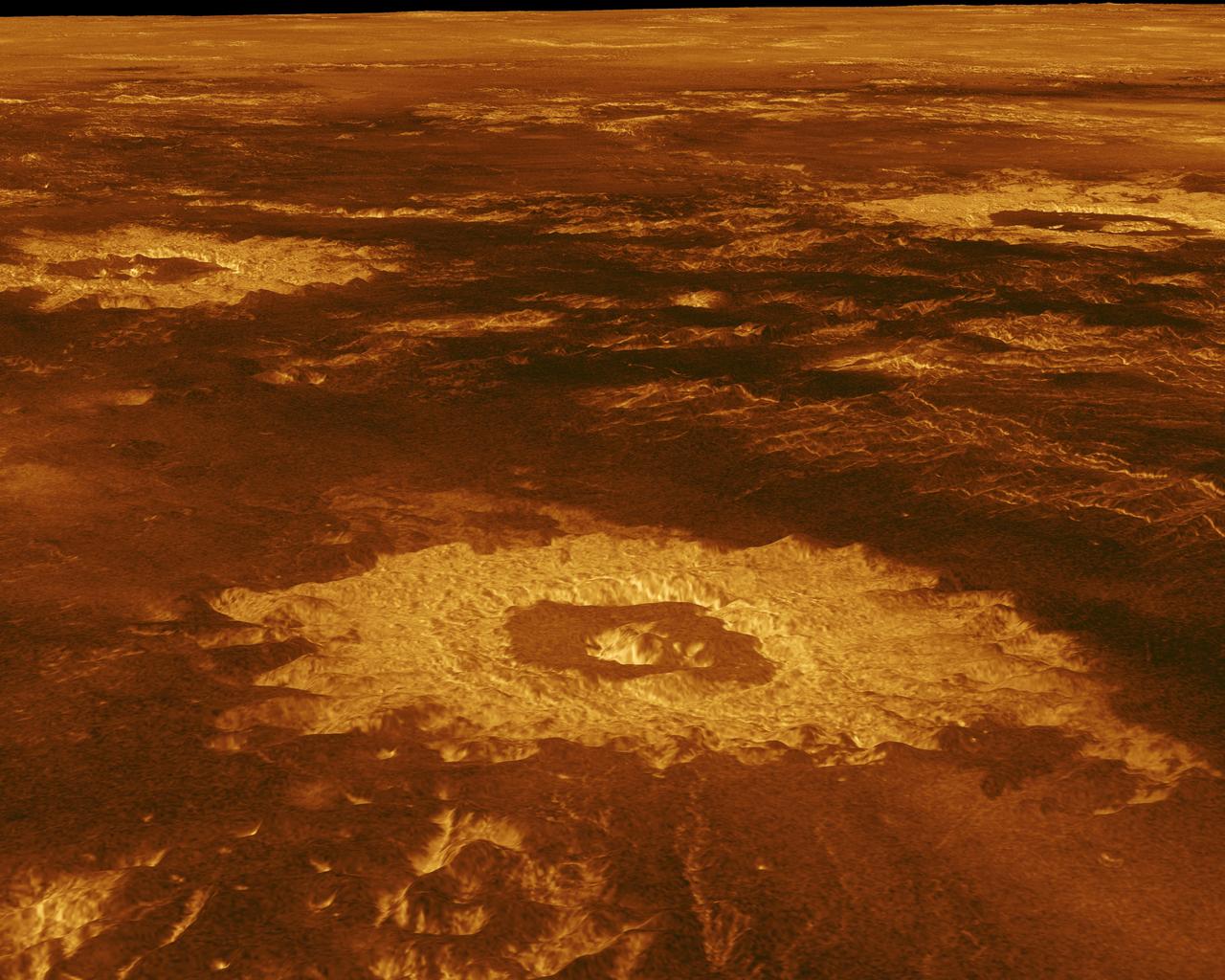
Evidence · Magellan / NASA / JPL. Reconstruction, not a photograph.
Highland
Ishtar Terra
Northern continent, crowned by Maxwell. Tessera. Name from Akkadian cult. The rock is not the hymn.
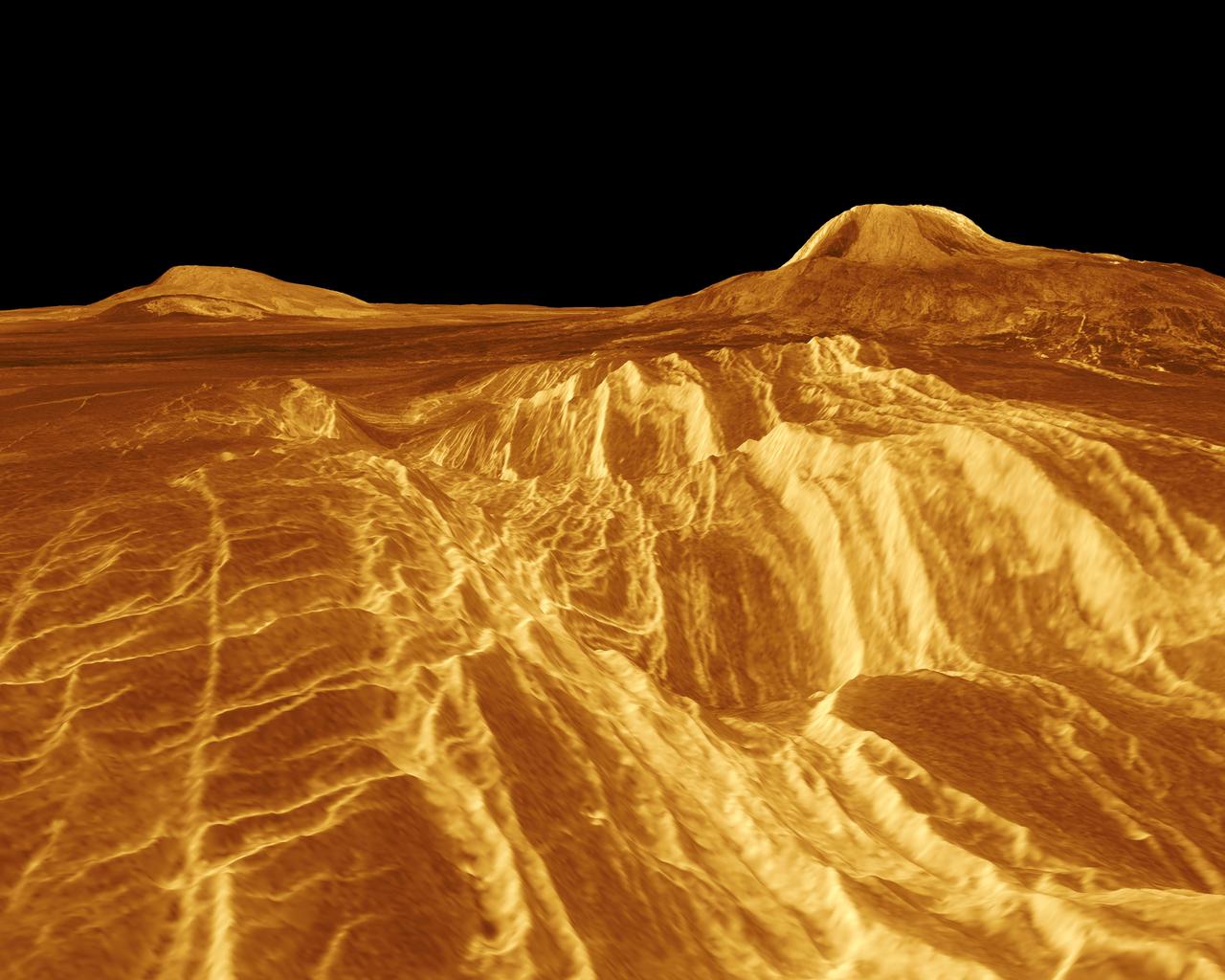
Evidence · Magellan / NASA / JPL. Reconstruction, not a photograph.
Plateau
Lakshmi Planum
A high volcanic plateau inside Ishtar, ringed by mountains. Named for a goddess of prosperity. Magellan radar. PIA00200.
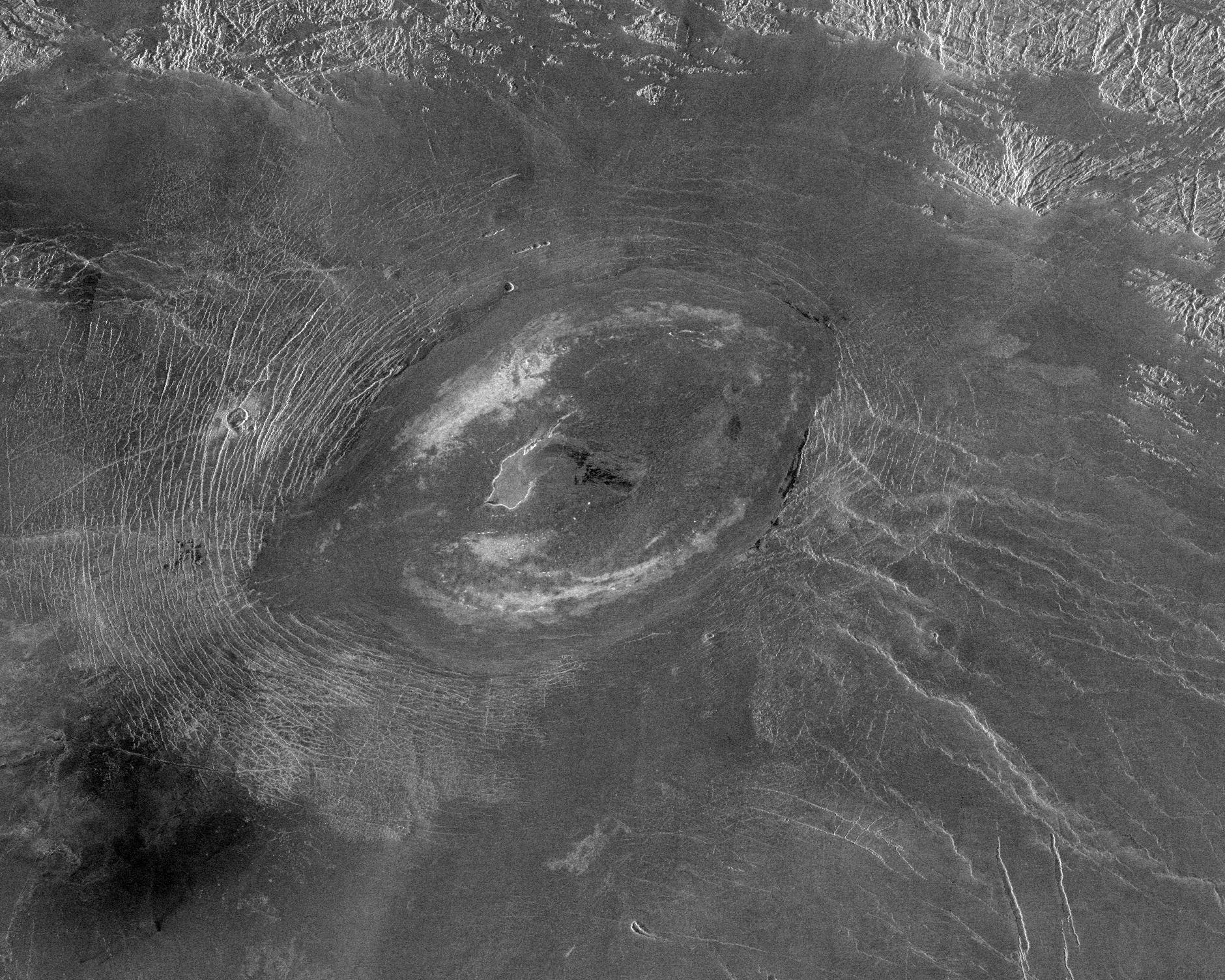
Evidence · Magellan / NASA / JPL. Reconstruction, not a photograph.
Caldera
Sacajawea Patera
On Lakshmi. Magellan’s plate about 420 km wide at the base. The depression is smaller. Named for Sacagawea. Paterae: famous women.
Craters > 20 km
Notable women
Craters < 20 km
Common female first names
Terrae
Goddesses of love
Tesserae
Goddesses of fate and fortune
Montes
Goddesses, and one physicist
Plana
Goddesses of prosperity
Paterae
Famous women
Valles
Words for Venus, and river goddesses
USGS and IAU: the mapped surface is named overwhelmingly for women and goddesses. Treat counts as living gazetteer figures, not a sealed census.
Inspect · Exceptions and a living count
Alpha Regio, Beta Regio, and Maxwell Montes keep earlier names. Maxwell is the only man on the map.
Terrae are named for goddesses of love. Aphrodite Terra and Ishtar Terra are highlands first.
Craters larger than 20 km: women who made outstanding or fundamental contributions to their field. Smaller craters: common female first names.
USGS and IAU: the mapped surface is named overwhelmingly for women and goddesses. Treat counts as living gazetteer figures, not a sealed census.
Inspect · Syncretism traps
Near Eastern conversation is real. Greek identification of Ashtart with Aphrodite Ourania is reception. Śukra is not Aphrodite in Sanskrit. Lucifer the Latin morning star is not the later devil. The IAU map of goddesses is a modern naming convention, not a recovered world-religion. Comparison after particularity.
Lived · after the names
The year Venus entered her life →
The names were historical offices. What follows is not another goddess. It is one dated year in one life. She lived the days first. She found the sky later.